VIRGINIA
CANNABIS SOCIAL EQUITY

Author: admin

  • Michigan’s Cannabis Tax Offers a Hard Lesson for Virginia Equity Entrepreneurs

    Michigan’s Cannabis Tax Offers a Hard Lesson for Virginia Equity Entrepreneurs

    By Anthony D. Riley | November 19, 2026
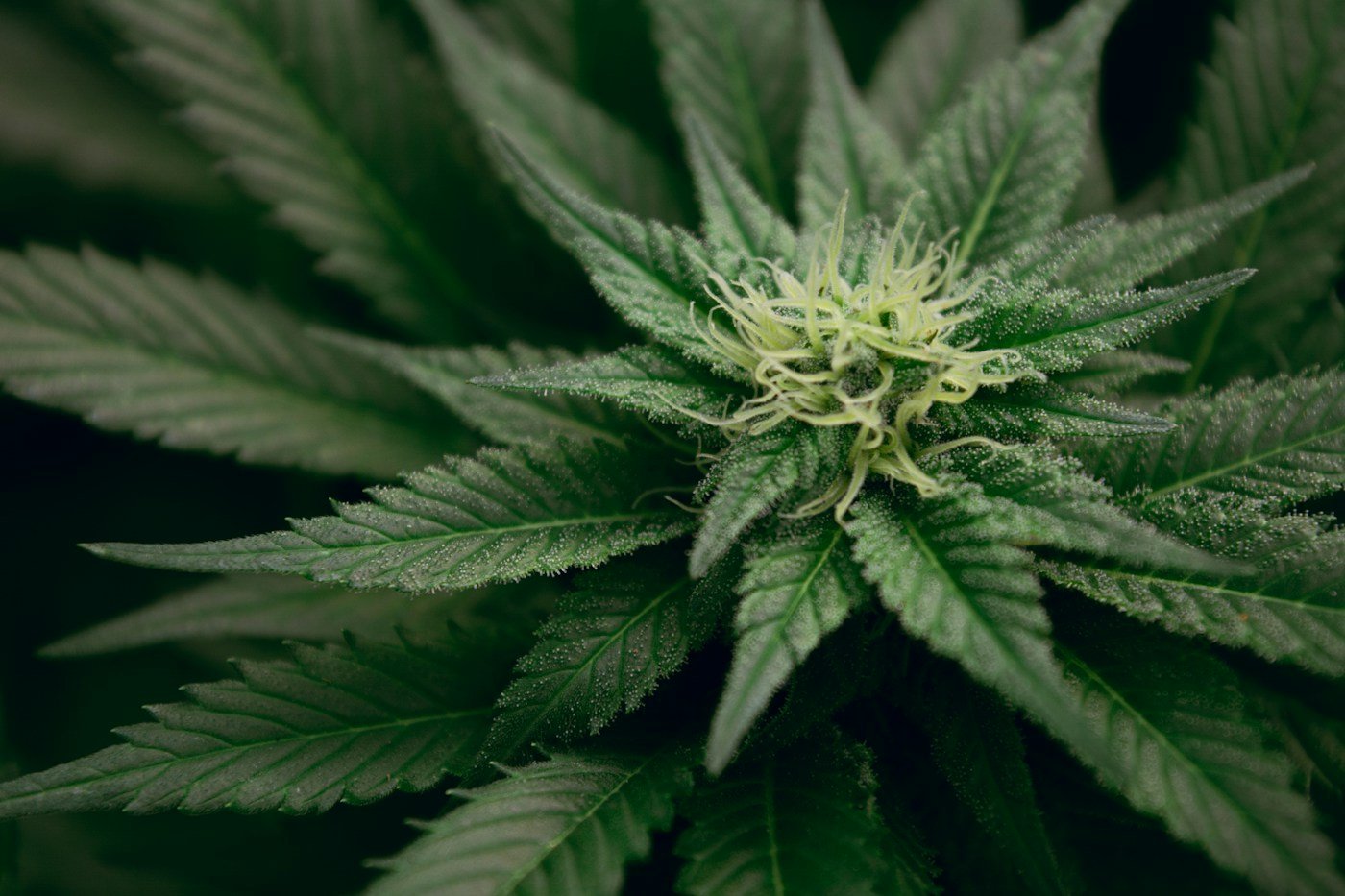
    Green cannabis plant; illustrative photograph for market policy analysis.

    Illustrative stock photo, not a photograph of a featured business. Photo by Esteban López on Unsplash.

    Getting an opportunity to enter the cannabis industry is one challenge. Keeping the business alive is another. Michigan’s 24% wholesale marijuana tax offers a useful case study for people evaluating future opportunities in Virginia.

    Read the law before building the forecast

    Michigan’s statute sets January 1, 2026, as the start of the 24% tax on specified wholesale transactions. It is not a newly verified January 2027 tax. These are Michigan rules, not Virginia licensing or tax requirements.

    Our analysis for aspiring operators: a plan that works only when prices stay high and expenses stay low needs more testing. A license can create permission to operate without creating enough cash to survive.

    Model the cost, then test who can absorb it

    Imagine a hypothetical $100 taxable wholesale transaction carrying $24 of tax. That illustrates the Michigan rate; it is not a Virginia tax estimate or a prediction of a customer’s final price. Buyers and sellers may negotiate, change margins or change what they stock.

    An equity-focused business plan should ask how much working capital is needed when a buyer pays late, a supplier changes terms or a promotion reduces margin. Consider several scenarios rather than assuming the most favorable outcome will last.

    Closures show why survival belongs in the equity conversation

    Detroit Metro Times reported that Higher Love closed five Upper Peninsula stores in August and cited the tax burden. That example supports asking hard questions about viability; it does not prove that one tax explains every closure or predicts Virginia’s results.

    A business name disappearing from a dispensary menu also needs confirmation. Rebranding, distribution changes and temporary inventory gaps are different from a verified shutdown. Applicants and investors should seek direct answers before treating a rumor as market research.

    The $99 Columbus comparison

    Mastamynd reports seeing $99 ounce deals in Columbus for months. A Columbus price tracker lists selected 28.3-gram offers at that price. Those deals illustrate competitive pressure, not a statewide average or a revenue assumption for a Virginia application.

    The lesson is to budget for the market you may actually face. Ask how the proposed business would compete on service, reliability and operations if a competitor advertised a deeply discounted product.

    A rivalry question before the next planning meeting

    Ohio State and Michigan play November 28, 2026, at noon Eastern in Columbus. Who wins? And away from football, which business-planning question deserves more attention: startup capital, taxes, supplier terms or customer retention?

    Use Virginia Cannabis Social Equity to follow our Virginia resources. This Michigan comparison does not announce a Virginia application window, guarantee a license or determine anyone’s equity eligibility.
  • Federal Hemp Reform and Virginia Cannabis Equity: Two Different Doors to Opportunity

    Federal Hemp Reform and Virginia Cannabis Equity: Two Different Doors to Opportunity

    Virginia Cannabis Social Equity | November 18, 2026

    A new federal hemp proposal could reshape part of the cannabis economy. For people exploring social equity opportunities in Virginia, the first question is what kind of opportunity the bill actually addresses.

    The Hemp Guardrails Act concerns federal treatment of hemp and hemp-derived consumer products. It does not itself award a Virginia cannabis license, determine social equity eligibility or create a state application window. Confusing those processes could lead a prospective business owner to build a plan around the wrong rules.

    What happened in Washington

    Senators Tim Sheehy and Amy Klobuchar announced the bipartisan bill November 17, 2026. It proposes a federal regulatory framework as broader restrictions on hemp products approach a December 11 effective date. The Congressional Research Service confirms that most changes to the federal definition were delayed until then, while a separate exclusion for cannabinoids not capable of natural production by cannabis took effect November 12.

    The pending December changes include a 0.4-milligram-per-container threshold for combined total THC and specified similarly acting cannabinoids in finished products. The new bill would replace that approach with different eligibility rules and product oversight. It has not become law.

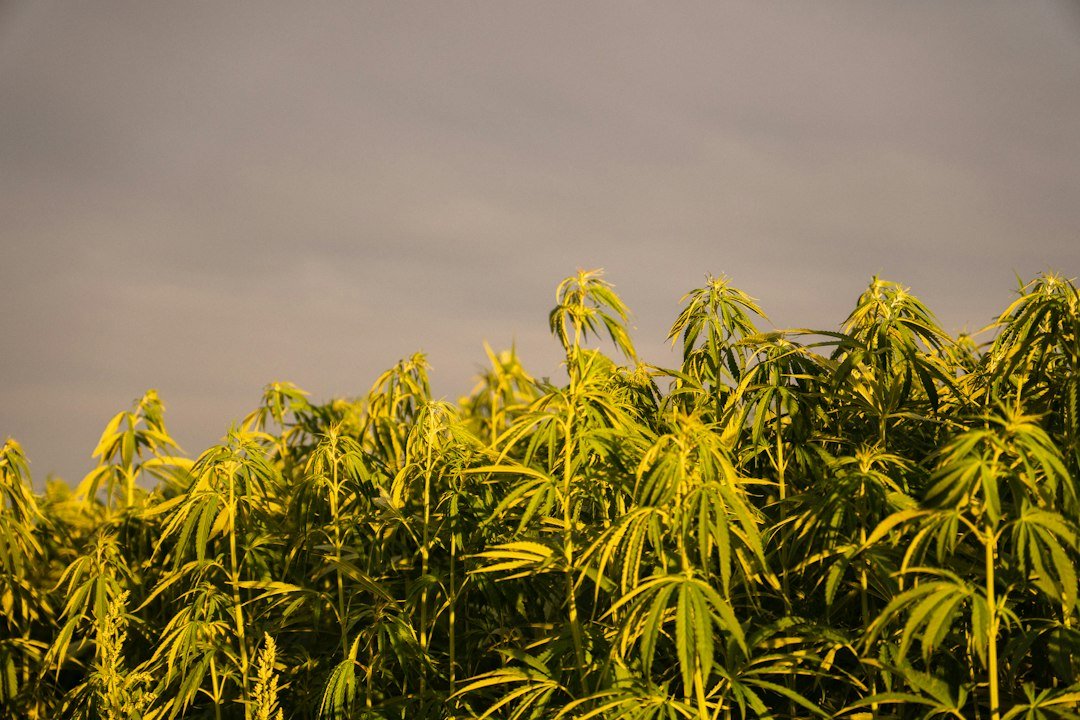
    Cannabis plants in a stock photograph; visual appearance does not establish legal classification
    Illustrative hemp-field photograph taken in Poland, not a U.S. production site. Photo: Eir Health / Unsplash.

    Where smaller businesses could feel the impact

    The published text would direct FDA to establish manufacturing, third-party testing, packaging, labeling, recall, registration and recordkeeping requirements. Covered products entering interstate commerce would need domestic cultivation, processing, finishing, packaging and labeling.

    Our equity analysis: those requirements would make access to laboratories, reliable suppliers and clear compliance information important parts of business planning. That is an assessment of the proposal’s practical demands, not a claim that a particular grant, preference or license would become available.

    Product categories and state authority still matter

    The bill would set a 21-and-older requirement and raise the hemp definition’s dry-weight total-THC threshold to 1%. Finished products with more than trace amounts of restricted cannabinoids, including delta-8, delta-10, HHC and THC-O-acetate, would be excluded from hemp. It also would prohibit interstate introduction of covered smokable hemp flower and pre-roll products.

    The text preserves stricter state regulation. A proposed federal pathway for a hemp product therefore cannot be treated as approval to operate a marijuana business in Virginia.

    Keep this federal update alongside our Virginia licensing and market-study briefing. Evaluate each proposal within the process it actually changes, and check enacted requirements before making commitments.

    Sources and reporting notes

    Checked November 18, 2026. This is an original article based on the senators’ November 17 announcement, the published Hemp Guardrails Act text, and Congressional Research Service reports IF13136 and LSB11496 (CRS reports reproduced by EveryCRSReport). The bill text supports the proposed rules described above; the CRS reports explain the existing-law timeline. Commentary is identified as our perspective or analysis.

    Related reporting that prompted this update: Marijuana Moment’s November 17 coverage. No text or photographs from that article have been republished here.

    Featured photograph: Andy Feliciotti / Unsplash. Illustrative stock image.

  • Virginia Cannabis Licensing Update: Market Study, Retail Caps and Impact Opportunities

    Virginia’s First Adult-Use Cannabis Market Study: What Applicants Should Know

    November 14, 2026 | Virginia Cannabis Social Equity

    Virginia’s Cannabis Control Authority has received its first adult-use cannabis market study, prepared by Cannabis Public Policy Consulting. The study provides recommendations, not final license awards, as the state prepares for adult-use retail sales scheduled for July 1, 2027.

    Retail licenses could be released in phases

    Virginia law permits up to 350 stand-alone retail licenses, but the study identifies approximately 163 total storefronts as a possible initial market size. This figure includes potential microbusiness and existing medical operator locations, not 163 new stand-alone licenses. The study estimates 107 to 163 stores could meet current resident demand under its central assumptions, while other scenarios range from 54 to 326.

    What the study says about cultivation and manufacturing

    The consultants suggest considering three Tier V cultivation licenses initially, rather than all five allowed under the statutory cap. They recommend leaving existing canopy limits unchanged for launch and not imposing a numerical cap on processing licenses. None of these recommendations guarantees the number of licenses regulators will ultimately issue.

    Impact licenses, microbusinesses and hemp operators

    The initial framework provides pathways for up to 100 microbusiness licenses, up to 10 cultivation and 10 processing licenses for qualifying hemp businesses, and at least 55 additional licenses across impact and other eligible categories. Prospective applicants should verify the precise eligibility, ownership, control and documentation requirements before committing to a partnership.

    Important dates

    • February 1, 2027: applications may begin
    • May 1, 2027: initial license issuance may begin
    • July 1, 2027: scheduled start of adult-use retail sales

    Virginia residents are estimated to spend $1.05 billion annually on cannabis from all sources, much of it outside licensed channels. This is a market estimate, not a revenue forecast for any individual licensee.

    How prospective applicants can prepare

    Review eligibility documentation, evaluate potential business and financing partners, clarify who will actually control operations, and track official Cannabis Control Authority regulations. A strong partnership should involve genuine participation and informed decisions, not simply lending a name to an application.

    Virginia Cannabis Social Equity offers an independent candidate screening and educational resource, not a state license application or guarantee of funding, qualification or selection. Learn about our applicant screening and visit our resources and FAQ.

    Sources: Vicente LLP market analysis, November 13, 2026; Virginia Cannabis Control Authority. This article is educational and is not legal or investment advice.